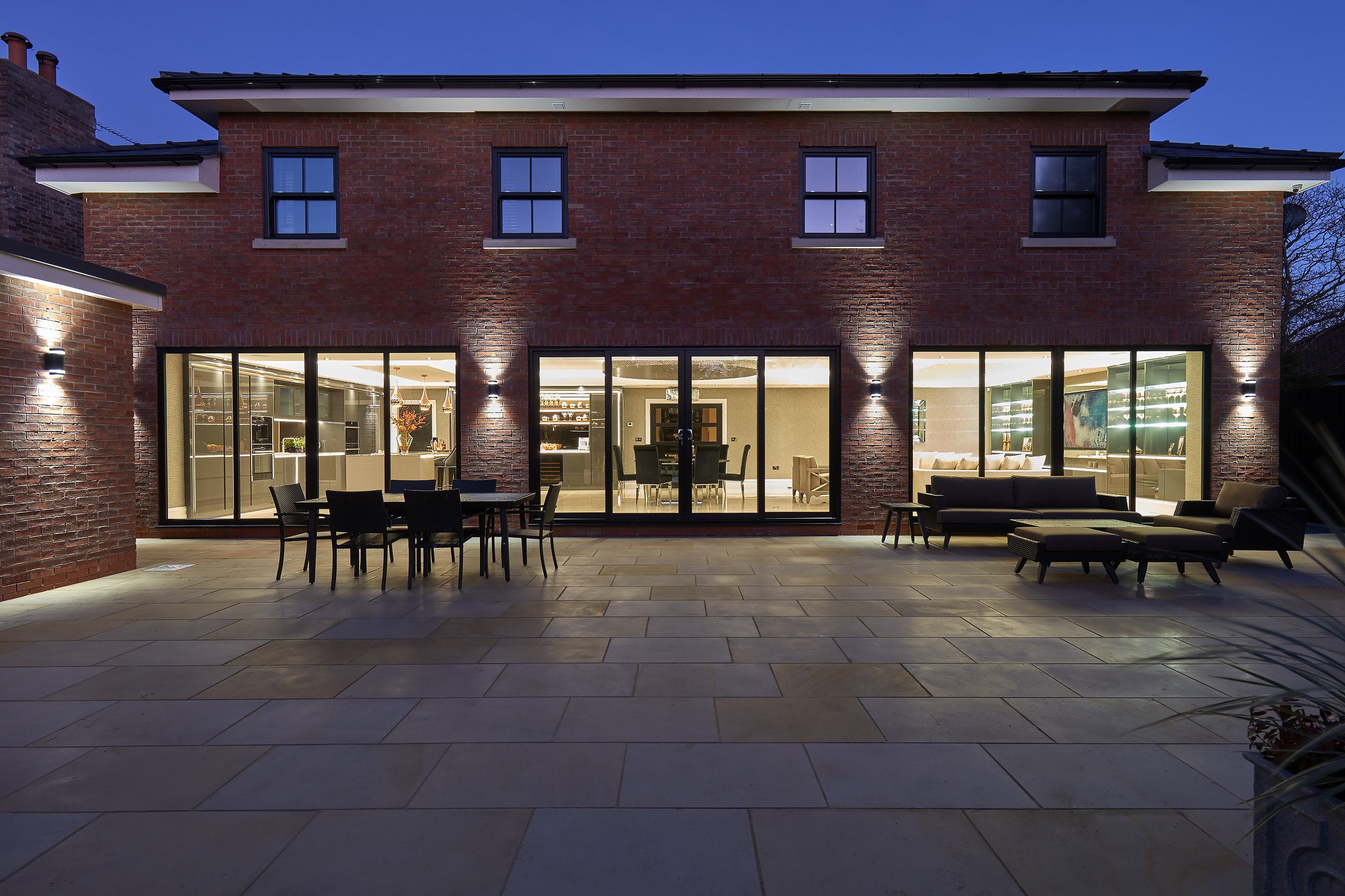
Most difficult renovations are not undone by one dramatic event. Problems usually begin earlier: the brief remains vague, existing conditions are assumed, costs are compared on different scopes, approvals are checked too late, or changes are made without recording their effect.
The five mistakes below are useful because each can be tested before construction starts. They apply whether the project is a kitchen, a whole-home interior or a major extension, although the professional team and approvals will vary with the building and scope.
A room list is not a complete brief. The design team needs to understand how the household lives, what must remain, what can change, the quality expected, the available budget, the target programme and who makes decisions.
Without those answers, drawings may progress while the project itself is still changing. A kitchen can be designed before appliance requirements are known; a lighting plan can be developed before furniture positions are agreed; or structural work can be explored before the client has chosen between open-plan and broken-plan living.
The RIBA Plan of Work separates Preparation and Briefing, Concept Design, Spatial Coordination and Technical Design into distinct stages. A residential project does not need to become bureaucratic, but the sequence is valuable: agree the problem before attempting to solve every detail.
Review the RIBA Plan of Work 2020.
Existing houses are rarely perfectly square, level or consistent with historic drawings. Structure, drainage, ventilation routes, electrical capacity, damp, insulation and previous alterations can all affect what is practical.
A measured survey provides the base information, but specialist investigation may also be needed. The appropriate architect, structural engineer, building-services designer, surveyor or other specialist should confirm matters within their competence. Opening-up works may be necessary where important conditions are concealed.
The practical rule is simple: do not release expensive custom fabrication against information that is still provisional.
Two renovation estimates are not comparable when one includes design, surveys, approvals, building work, joinery, stone, appliances, lighting, installation and tax while another includes only part of that scope.
Budget control should begin with a responsibility and inclusions schedule. Record what is included, excluded, provisional, client-supplied or still awaiting design. Keep professional fees, statutory costs, construction, fitted elements, loose furniture and contingency visible rather than combining them into an unexplained headline figure.
Value engineering is most effective when it protects the brief. If the current scheme exceeds the agreed budget, compare decisions openly: reduce scope, simplify a detail, change a material, phase suitable work or revise the budget. Record the effect on appearance, performance, maintenance, programme and warranty before approval.
Ignoring the budget is not design ambition. Quietly reducing quality after approval is not budget management. The client should be able to see and authorise the trade-off.
Planning permission and Building Regulations approval are different. A project may need one, both or additional consents depending on the property and work. Listed buildings, conservation areas, leasehold homes, party-wall matters and work affecting drainage or neighbouring property can introduce further requirements.
GOV.UK advises checking whether Building Regulations approval is required before constructing or changing a building and notes that many alteration projects are covered. Confirm the route with the relevant professionals and authorities for the actual property.
Check when Building Regulations approval may be required.
Approvals are only one part of readiness. Bespoke joinery, stone, specialist metalwork, lighting and appliances can require surveys, technical sign-off and procurement well before installation. Build these dependencies into the programme rather than assuming every item can be ordered when the site is ready.
Construction will reveal conditions and create questions. The risk is not that a change occurs; it is that the change is agreed informally without checking its effect on adjoining work, cost, programme or design intent.
Every material deviation should identify:
The client, designer and contractor also need a clear responsibility structure. One person may coordinate the project, but each professional and contractor remains responsible for their defined scope. Written decisions prevent the approved design, quotation and installed result from becoming three different versions of the project.
Before construction begins, confirm that:
Early cost advice can test whether the brief and concept are realistic. A more reliable construction price needs coordinated information and a defined scope. Treat figures based on incomplete design as allowances, and record what they assume.
No. Planning considers whether development should be permitted, while Building Regulations address requirements for how relevant work is designed and constructed. A project may require both, one or neither, and other consents may still apply.
The information needed depends on the procurement route, but unresolved decisions should be visible, owned and programmed. Custom fabrication and work that affects several trades should not proceed on an unrecorded assumption.
Define the scope, compare quotations on the same basis, update the cost plan as design decisions develop and approve trade-offs explicitly. Cost control works best as a continuing design activity rather than a late reduction exercise.
Meiger coordinates spatial planning, interior architecture, kitchens, lighting, joinery and material specification for residential projects. Explore our interior design and architecture service, read the open-plan renovation guide, view completed projects, or start a conversation with the studio.