
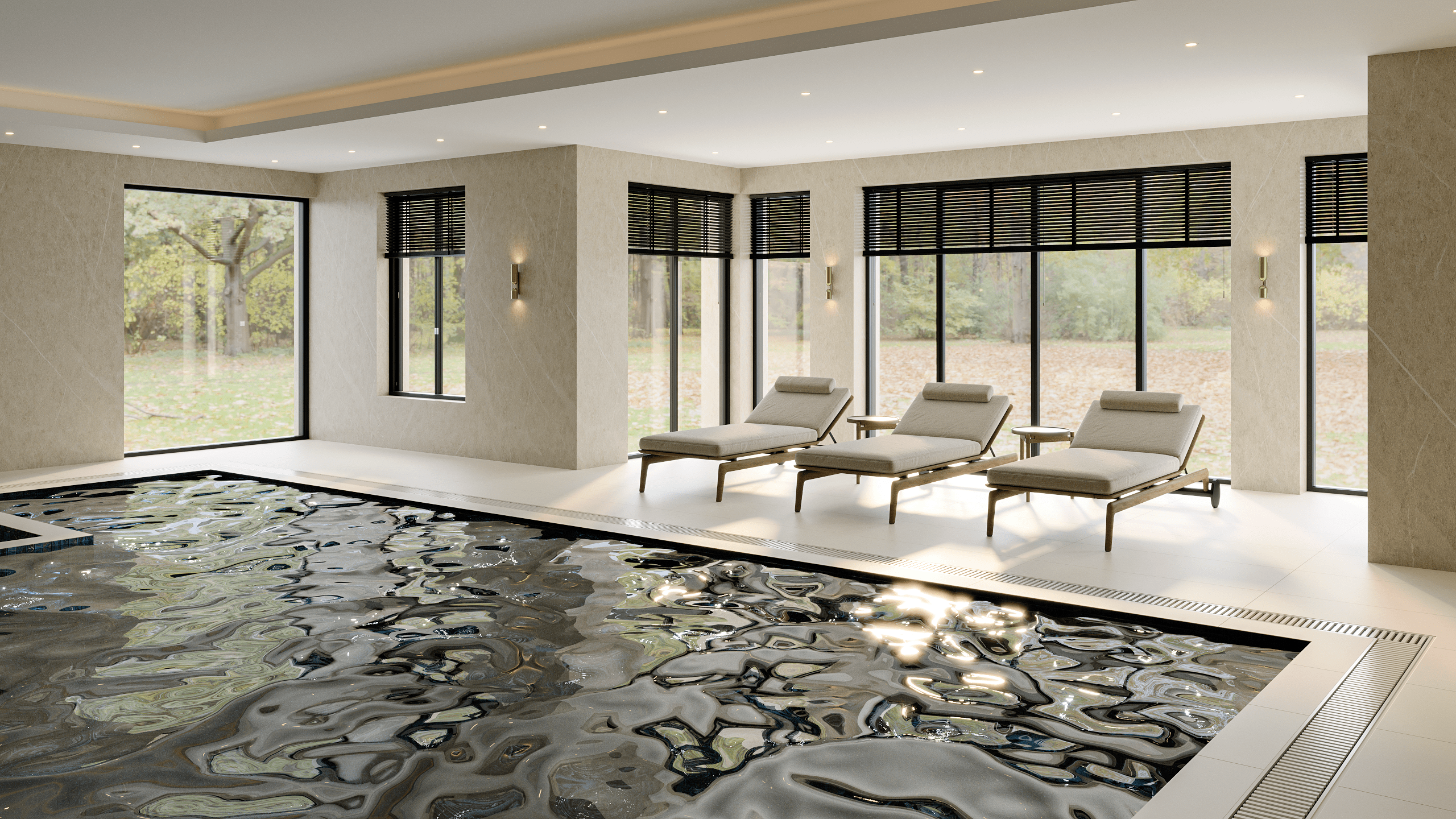
As the clocks go back and daylight fades earlier each afternoon, many of us feel a subtle shift in mood. Winter’s darkness can drain our energy, dampen creativity, and leave our homes feeling flat. Yet lighting—both natural and artificial—holds remarkable power to influence how we feel, think, work, and socialise. According to environmental psychologists and lighting designers, understanding this connection can transform winter from a season of gloom into one of comfort and wellbeing.
“Natural light is like a magic potion for humans,” says environmental psychologist Sally Augustin. It boosts creativity, sharpens problem-solving, improves sociability, and lifts overall mood. This effect is rooted in biology: humans evolved outdoors for millions of years, internalising the changing qualities of daylight as cues for activity, rest, and emotional regulation.
In contrast, modern indoor life places us under artificial lighting that often fails to replicate the spectrum and dynamism of natural light. As lighting designer Xander Cadisch explains, LEDs today are typically dominated by blue wavelengths, which wash out colour variation around us. “We’re stripping the data from our spaces,” he says—meaning our eyes and brains receive less of the rich sensory information they evolved to expect. The result can be a subtle decline in energy, mood, and even social warmth.
During winter—when natural daylight is scarce—aligning indoor lighting with our biological patterns becomes essential.
Cooler, brighter overhead light mimics the midday sun, signalling alertness and motivating the brain to perform. This makes ceiling lights with cooler temperature bulbs ideal for WFH days. But too much blue light overstimulates the brain—“like a double espresso,” notes Augustin—so intensity and duration should be moderated, particularly later in the day. Minimising glare is key, as light that causes squinting can trigger physical tension and irritability.
Designer Sanjit Bahra identifies this hour as a turning point in winter: it’s dimmer outside but not yet evening. To avoid a slump, he recommends bright but gentle downlighting—such as picture lights or coving lights—to maintain clarity without harshness before transitioning to evening lighting.
As daylight fades, our biology expects warmth. Think of the golden glow of sunset or the flicker of a fire—both signals that it’s time to unwind.
Warm, dim light from table lamps or floor lamps, positioned lower in the room, creates calm and prepares the body for rest. These light levels echo prehistoric evenings spent around a fire, fostering safety and relaxation.
Movement in light—like firelight or candlelight—immediately makes us feel more connected. Augustin explains that “our brains haven’t changed much in thousands of years.” Warm, slightly dim lighting encourages conversation, enhances mood, and flatters faces. Candlelight remains unbeatable for ambience.
Two technical elements are essential for creating good lighting at home:
- Daylight: ~6000K
- Cool white bulbs: ~4000K
- General home lighting: ~2700K
- Evening decorative lighting: ~2200K
- Candlelight: ~2000K
Lighting expert Sally Storey notes that she never goes cooler than 2700K in residential design, preferring 2200K for fixtures used at night. “Dim-to-warm” bulbs, which shift to warmer tones as they dim, offer flexibility and prevent the grey, lifeless look of standard LEDs.
CRI measures how accurately a light source reveals colours. A high CRI recreates daylight’s full-spectrum richness; a low CRI makes environments feel dull and washed out. Most consumer bulbs fall below CRI 90, but premium options—like Phos technology—reach CRI 98. High CRI is especially important for colourful surfaces, artwork, and even the warmth of human faces.
The growing movement toward “biophilic design” encourages us to reflect nature in our built environments—through materials, forms, and especially light. As Cadisch explains, the goal is to “bring biology back into the way we design the world.” This means creating spaces that support our deep evolutionary needs rather than working against them.
As winter deepens, our wellbeing depends not only on how we illuminate our homes but also on how we design offices, public buildings, and urban spaces. Lighting should help us maintain the balance between our indoor lives and our innate connection to the rhythms of the outdoors. With thoughtful choices—warmer evenings, brighter afternoons, high-quality bulbs, and adaptable layers of light—we can cultivate homes and cities that feel vibrant, supportive, and human.


