There is a kind of wealth that cannot be seen.
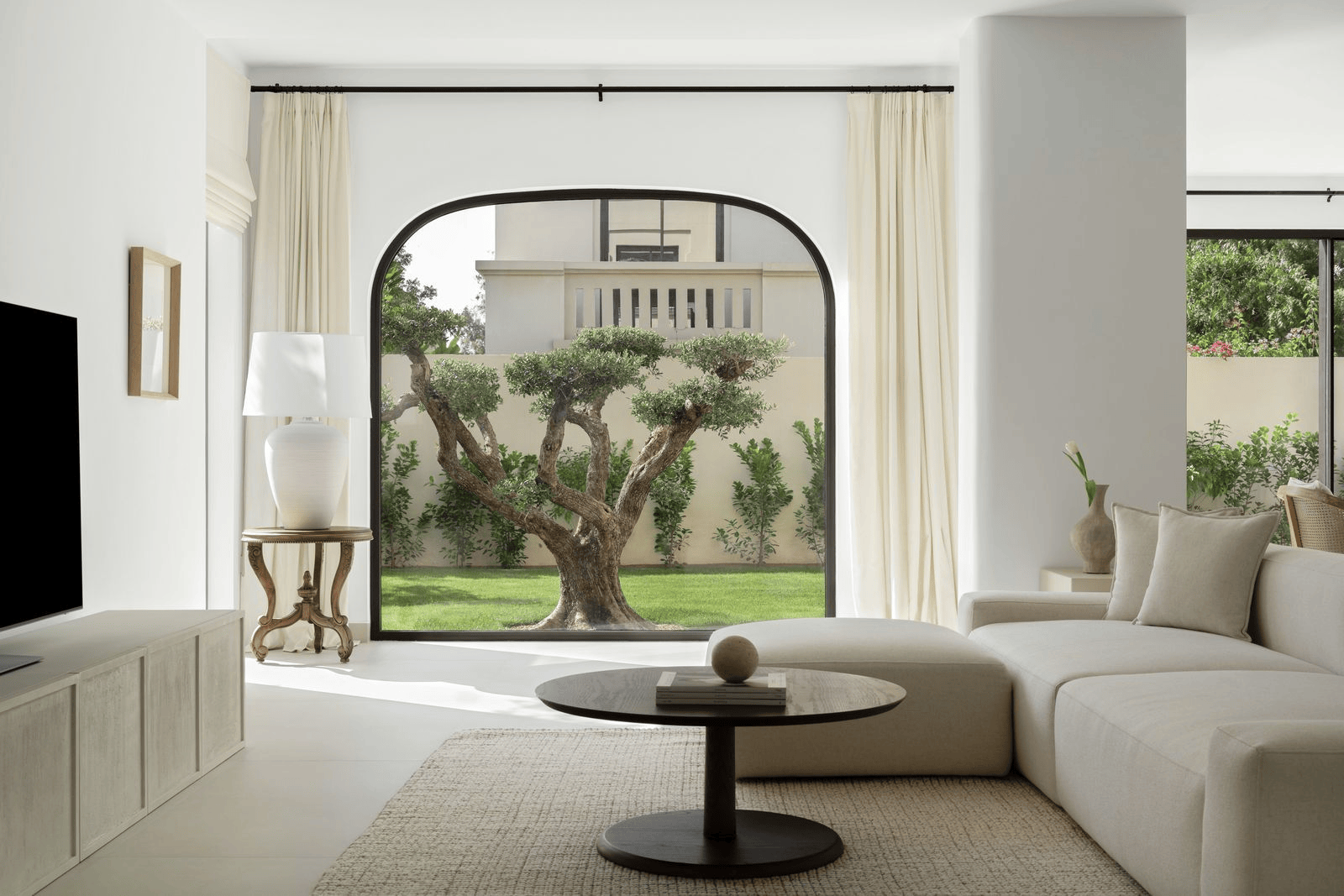
It doesn’t reside in crystal chandeliers or marble hallways, but in the space between two breaths — where light falls softly on an ivory linen surface, and the only sound is the wind brushing through the trees outside the terrace.
The ultra-wealthy of this century seem to have mastered the art of quiet.
They no longer need to assert their presence with gold or symbols, but rather — by retreating. Their homes — whether tucked away in an English countryside town like Alderley Edge, or in Montecito, Manhattan, or Paris — are conceived as rituals of purification: restrained in color, devoid of excess, yet rich with subtle details only those who dwell within can truly appreciate.
A wall painted in a grayish cream tone may have been hand-mixed in a small workshop in the south of France.
A modest coffee table might still carry the touch of the engineer and artisan who spent three months refining the toughest Dekton slab into a surface of enduring elegance.
This is quite luxury — the kind that demands time, knowledge, and an inner stillness few possess.
“Today, wealth is the ability to control your own rhythm,” an interior designer once said.
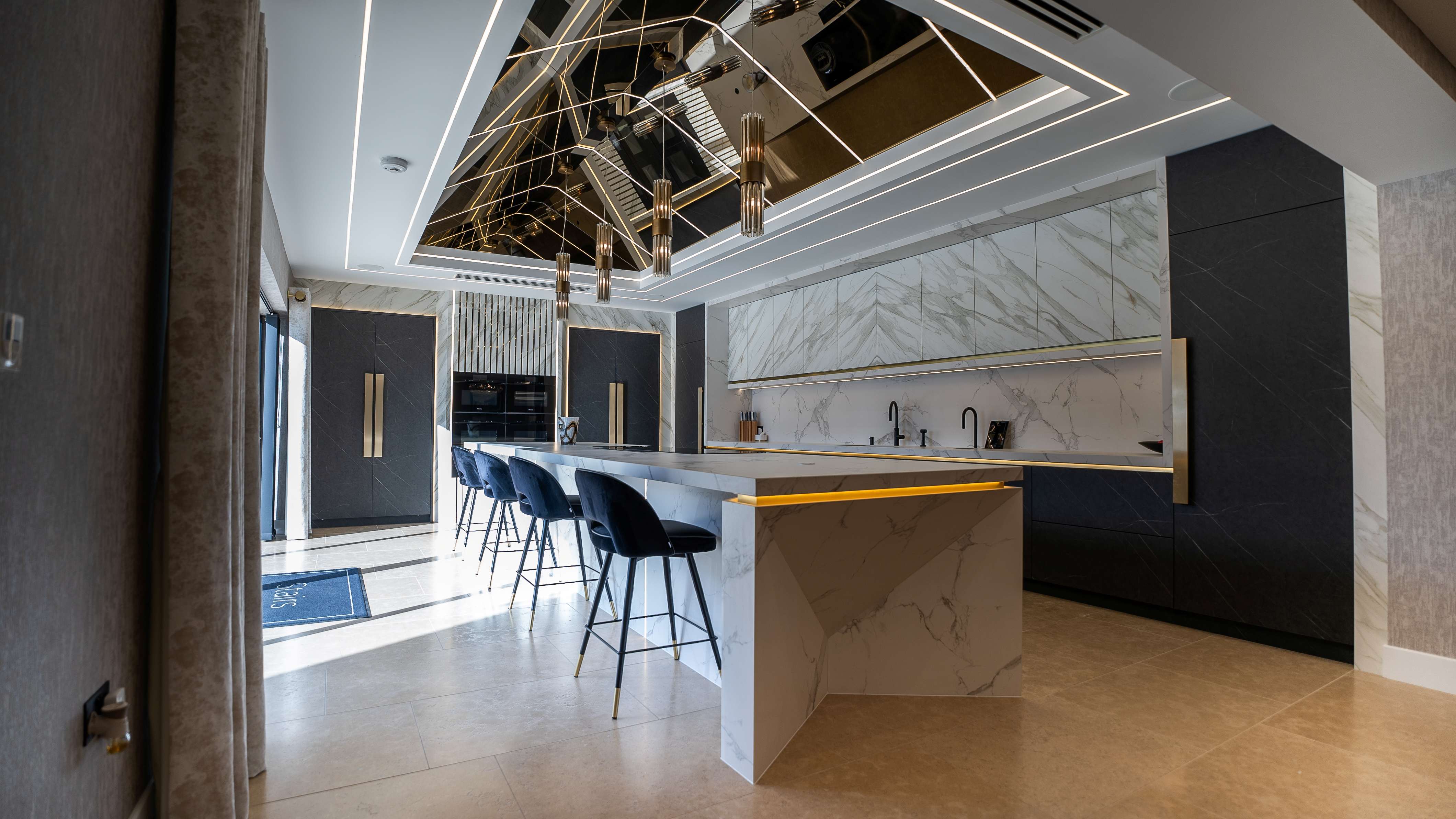
Perhaps that is why every space they inhabit is designed as a way to breathe. The bathroom becomes a private spa. The study doubles as an art gallery. The kitchen is rarely used, yet always softly lit — a discreet invitation. Everything is calculated down to the millimeter, a beauty so deliberate it feels effortless.
For them, perfection is no longer a pursuit, but a habit.
They live among objects made solely for them: silverware engraved with their initials, cashmere blankets woven to match the color of their eyes, even room fragrances crafted exclusively for their homes.
Nothing is off-the-shelf; everything is curated. And yet, within this world of exclusivity, they long for simplicity — a humble dinner, a morning without schedule, a silent room no one enters.
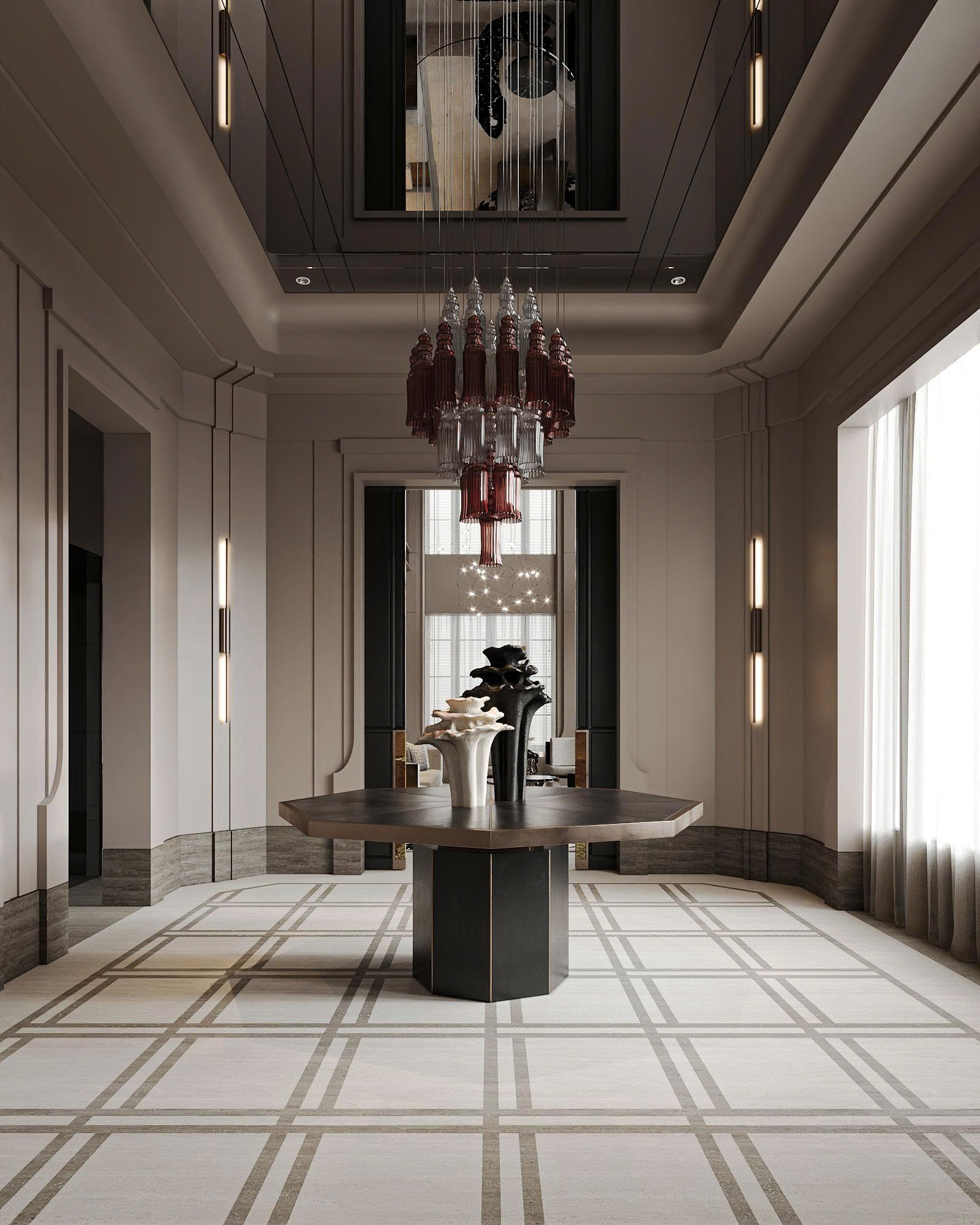
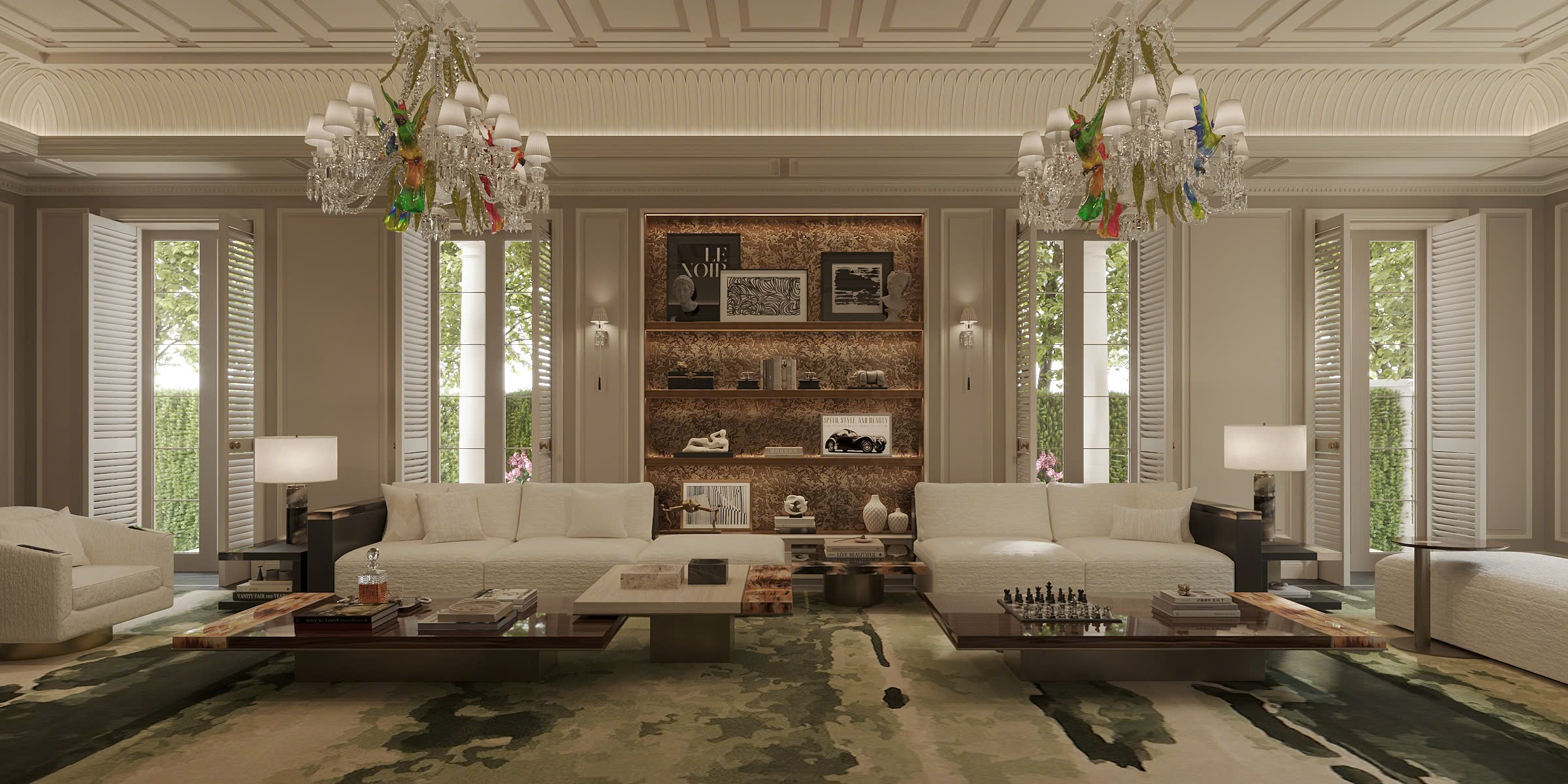
These houses are not built to flaunt, but to conceal. The light softens, the sound quiets. The chandeliers hang, but rarely shine; they are silent jewels. Technology is everywhere — bulletproof glass, hidden cameras, automatic doors — yet designed to remain unseen. At this level, wealth becomes the power to make everything invisible.
The people who live in them are invisible too, in another sense.
They move between houses and countries as if changing clothes — today in a hilltop villa, tomorrow in a seaside penthouse. Each space marks a phase of life, not a destination. The only constants are their design teams — those who know precisely how they want light to enter a room, or how cold a martini should be. They are bound to the creators of their homes as much as to the homes themselves.
Perhaps that is why the homes of the ultra-rich are never truly “finished.”
They are living organisms, shifting forms — an unfinished painting, a melody without an end.
At the highest level, wealth is no longer an outcome but a process: a continual act of selecting, refining, altering, and seeking new beauty.
From the outside, it may all seem cold, distant.But look closely, and you’ll see: it is the constant human effort to touch a perfect harmony — between power and peace, order and emotion, the material world and the inner one.